From Rural Crossroads to Suburban Community: How Pasadena, Maryland, Developed Over Time
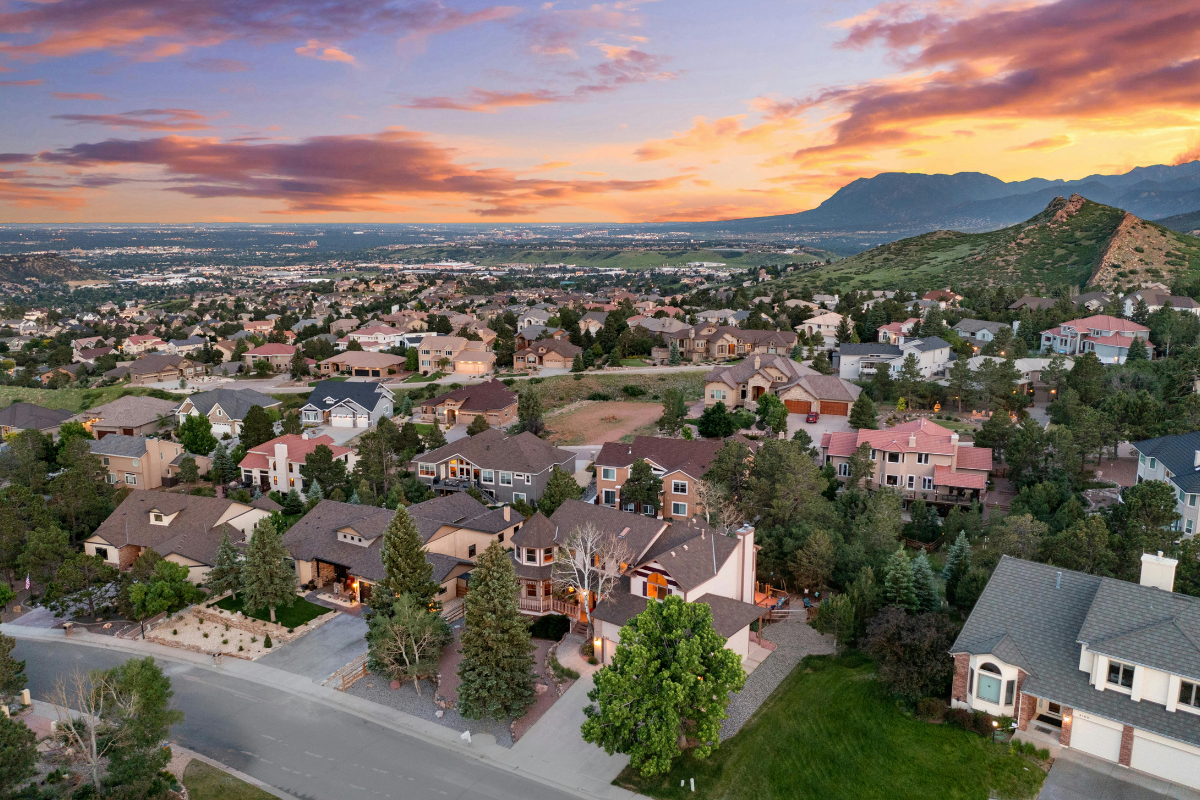
Pasadena, Maryland, has grown from a rural area into a busy suburban community. Located in Anne Arundel County, it sits near the Chesapeake Bay and its many waterways. Roads, homes, schools, and local businesses have changed how residents live. Yet the area's connection to water and open space remains important.
Pasadena's Early Rural Roots
Before large housing developments appeared, much of the area held farms, wooded lots, and scattered homes. Local roads linked residents with nearby communities and trading centers. Waterways also shaped travel, fishing, and other daily activities across the region.
Pasadena did not grow around one large downtown district. Instead, homes and businesses spread along roads and near smaller community centers. This pattern helped shape the area's distinct neighborhoods.
Its location between Baltimore and Annapolis also influenced local growth. As the region developed, more residents could reach jobs and services in nearby cities. Better road access made suburban living more practical for many families.
How Roads and Housing Changed the Area
During the twentieth century, suburban growth changed much of Anne Arundel County. More families wanted homes outside crowded city centers. Pasadena's roads and location helped support that shift.
New homes brought greater need for schools, shops, public services, and local roads. Former fields and wooded parcels gave way to housing in some areas. Other properties kept mature trees, open yards, and natural borders.
This mix gives Pasadena its varied residential character today. Some streets have older homes under tall shade trees. Other areas feature newer houses, smaller yards, and planned community spaces.
The Role of Trees and Green Spaces
Trees remain an important part of Pasadena's residential areas. They provide shade during warm Maryland summers and shelter for birds. Trees can also soften streets and separate yards from nearby roads.
However, development can affect tree health. Construction may compact soil or cut roots near established trees. Changes in drainage can leave some roots too wet or too dry. New driveways and patios may also limit room for root growth.
Homeowners can protect existing trees by watching for dead limbs, trunk cracks, and exposed roots. Trees planted near homes need enough room for mature branches and roots. Proper care helps reduce conflicts with roofs, sidewalks, and utility lines.
Residents interested in local growth can also read how Pasadena's changing neighborhoods affect residential trees and green spaces. This related topic explains how housing growth can shape the trees and outdoor areas people value.
Pasadena Today: A Suburban Community Near the Bay
Modern Pasadena includes residential streets, shopping areas, schools, parks, and waterfront communities. Its location offers access to the Chesapeake Bay and nearby creeks. These natural areas remain part of the community's local character.
Growth also brings choices for homeowners and local planners. New construction can provide housing, but it may reduce wooded areas. Protecting mature trees and planting suitable replacements can help keep neighborhoods green.
Homeowners should consider local soil, rainfall, and tree species before planting. Trees near waterfront areas may face different soil and drainage conditions. A local tree care professional can help assess concerns when trees show signs of damage.
Frequently Asked Questions
1. Why do some Pasadena neighborhoods have more mature trees than others?
Neighborhoods developed at different times and under different conditions. Older lots may retain trees that grew before nearby construction. Newer developments may have smaller yards and younger plantings.
2. Can homeowners plant trees near the Chesapeake Bay?
Yes, but the tree should suit the site's soil and drainage. Some locations may have wet soil or limited planting space. Homeowners should also check local rules before planting near shorelines or protected areas.
3. How can residents protect trees during home renovations?
Mark the tree's root area before work begins. Keep heavy equipment, stored materials, and digging away from major roots. For larger projects, ask a qualified tree care professional about protecting nearby trees.
Pasadena's story reflects the shift from rural roads and farms to suburban life. Homes and businesses now share space with mature trees and natural waterways. Thoughtful planting and regular tree care can help preserve these features as the community continues to grow.