Pasadena, MD’s Changing Neighborhoods: How Residential Growth Is Shaping Local Trees and Green Spaces
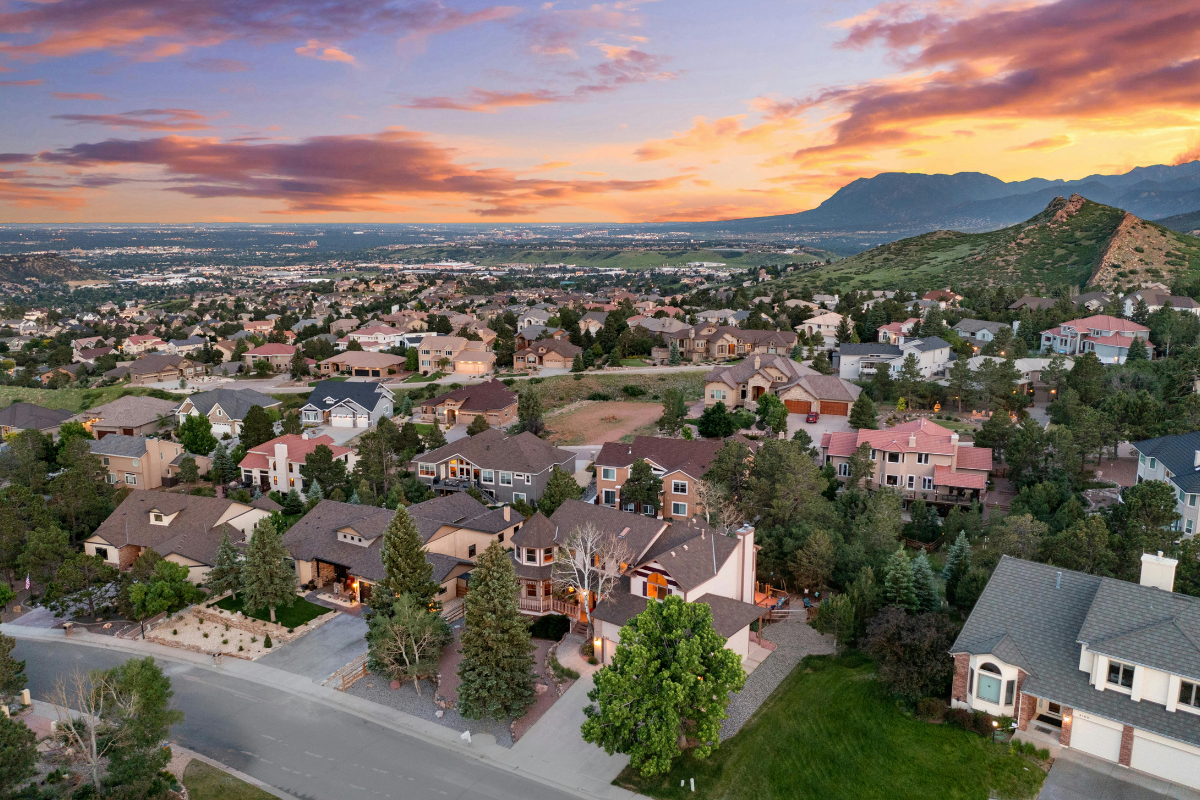
Pasadena, Maryland, has grown from a largely rural area into a suburban community. New homes, roads, and businesses have changed many local neighborhoods. These changes affect more than traffic and housing. They also shape the trees, gardens, and green spaces residents enjoy.
Trees provide shade during warm summers. They offer shelter for birds and other wildlife. They can also help manage rainwater around homes. As Pasadena grows, protecting existing trees becomes an important part of caring for residential areas.
How Residential Growth Affects Local Trees
Building new homes often requires clearing land. Trees may be removed to make room for houses, driveways, and streets. Construction can also damage nearby trees that remain standing.
Heavy equipment may compact the soil around tree roots. This makes it harder for water and air to reach them. Workers may cut roots while digging foundations or installing underground pipes. Some trees then show signs of stress months or years later.
Homeowners may notice fewer mature trees in newly built areas. Younger trees can replace some lost shade, but they need time to grow. Keeping healthy older trees can help maintain the area's natural character.
Why Green Spaces Matter in Pasadena
Green spaces give neighborhoods room for nature. They include home gardens, wooded lots, parks, and tree-lined streets. These areas provide shade and create places for outdoor activities.
Trees can cool nearby surfaces during hot weather. Their branches also provide shelter for birds and small animals. Roots help hold soil in place and take up some rainwater.
Pasadena's location near the Chesapeake Bay makes water management especially important. Rain can flow across roofs, driveways, and paved roads. When less water enters the soil, runoff may carry dirt and other pollutants into nearby waterways.
Trees and planted areas can help slow this process. However, their benefits depend on proper placement and care. Healthy soil, suitable plants, and enough room for roots all matter.
Choosing Trees for Growing Neighborhoods
New homeowners may want to add shade and greenery. The right tree depends on the yard's size, soil, and sunlight. Local weather and available planting space also affect tree health.
Large trees need enough room for their roots and branches. Planting them too close to buildings can cause problems later. Small yards may suit smaller trees with less spreading growth.
Native trees can be a useful choice for Maryland properties. They often support local wildlife and suit regional conditions. Before planting, homeowners should check the tree's mature size and water needs.
Existing trees also deserve attention during home projects. Fences, patios, and driveways should leave room for roots. A tree's trunk should not be buried under added soil or mulch.
Caring for Trees Through Local Weather Changes
Pasadena trees face humid summers, heavy rain, and seasonal storms. Strong winds may break weak branches or expose damaged roots. Wet soil can also make some trees less stable.
Homeowners should watch for dead limbs, cracked trunks, and leaning trees. Sudden changes may point to root damage or other problems. Coastal humidity, heavy rain, and summer storms can affect tree health in Pasadena in several ways, including branch weakness and soil changes.
Regular checks can catch some problems before they worsen. Water young trees during dry periods, based on their needs. Apply mulch in a shallow layer, keeping it away from trunks. Avoid heavy pruning unless a clear reason exists.
Keeping Green Spaces as Pasadena Grows
Residential growth and healthy trees can exist together. Careful planning helps protect established trees during construction. Thoughtful planting can also bring shade to newer properties.
Homeowners can start by learning which trees already grow on their land. They can protect root zones, choose suitable replacements, and check trees after storms. These small steps help preserve green spaces across Pasadena's changing neighborhoods.
Frequently Asked Questions
1. Can construction damage a tree without leaving obvious signs?
Yes. Construction can compact soil or damage roots underground. A tree may look healthy at first, then develop sparse leaves or dead branches. Watching for gradual changes can help reveal problems.
2. When is the best time to plant a tree in Pasadena?
Fall and spring are often good planting seasons in Maryland. Cooler weather can reduce stress while roots begin to grow. The best timing depends on the tree species and soil conditions.
3. Should a homeowner remove a tree after storm damage?
Not always. Small broken branches may need basic pruning, while major cracks or exposed roots need closer attention. Keep people away from trees with serious damage and contact a qualified tree care professional for an assessment.